
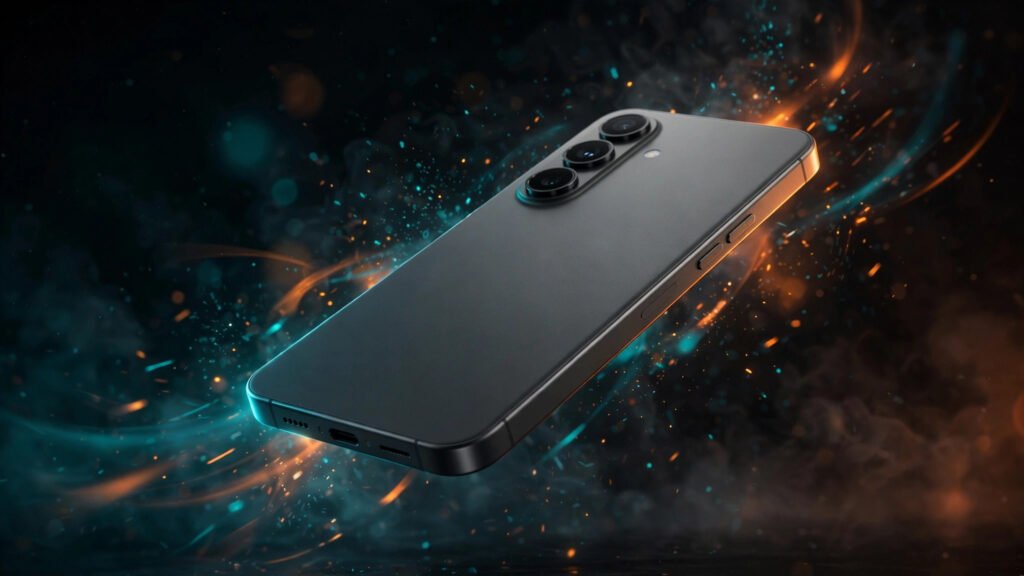
Scroll TikTok, Reels or Shorts for five minutes and you will see them: impossibly polished product ads for LED gadgets, skincare serums, kitchen tools and phone accessories — all generated with AI, all following the same invisible skeleton. I have spent months pulling these ads apart frame by frame, and here is what I keep finding: the tool matters far less than the structure. A mediocre generator with a great structure outsells a cutting-edge model with a weak one, every single time.
In this breakdown I am going to dissect the four-part structure that nearly every viral AI product ad uses: the hook, the demo, the social proof and the call to action. You will get the timing, the shot formulas, the prompt language that produces each section, and the mistakes that kill conversions. If you want the broader anatomy of viral AI videos beyond ads, my shot-by-shot breakdown of viral AI videos pairs well with this one.
Why Structure Beats Software in AI Product Ads
New creators obsess over which model to use. Runway or Pika? Kling or Luma? Hailuo or Veo? Here is the uncomfortable truth I learned after generating hundreds of ad clips: viewers cannot tell which model made an ad, and they do not care. What they respond to is pacing and clarity — does the ad grab them instantly, show the product doing something desirable, prove it works, and tell them what to do next?
Every high-performing AI product ad I have analyzed runs roughly 25 to 35 seconds and divides cleanly into four acts. The proportions shift slightly by platform, but the skeleton is the same. Learn the skeleton once and you can generate ads for any product, in any niche, with any tool. That is why this breakdown focuses on structure first and prompts second — prompts serve the structure, not the other way around.
Part 1: The Hook (0–3 Seconds)
The hook is the entire ad. If the first three seconds fail, nothing else matters because nobody watches it. On short-form feeds, you are competing with an infinite scroll, so your opening frame must create an open loop — a question in the viewer’s mind that can only be answered by watching.
Pattern Interrupts That Actually Work
A pattern interrupt is anything that breaks the visual monotony of the feed. In AI product ads, the most reliable ones are extreme close-ups, impossible physics and satisfying transformations. Think: a serum bottle filmed like a luxury perfume commercial, a kitchen gadget slicing through something in surreal slow motion, a phone case surviving a drop that should have destroyed it.
When I prompt hook shots, I front-load the visual surprise in the first clause of the prompt, because most models weight early tokens heavily. Something like: “Extreme macro shot of glowing serum droplets exploding outward in slow motion, dark studio background, cinematic lighting.” The product name and the context come later in the prompt — the spectacle comes first. For more on engineering those critical opening seconds, see my guide to first-two-second hooks for AI video.
The Problem-First Hook Formula
The highest-converting hooks I see do not start with the product at all — they start with the problem. A relatable frustration, stated or shown in under three seconds: tangled cables, a stained pan, dull skin in harsh bathroom light. Then a hard cut to the product as the answer. This problem-to-solution snap is the oldest formula in advertising, and AI generation makes it cheap to produce because you can generate the “pain” shot and the “relief” shot as two separate clips.
Prompt the pain shot realistically and the relief shot aspirationally. Ugly problem, beautiful solution — that contrast is what stops thumbs. Keep both shots under two seconds each. If your hook runs long, the scroll wins.
Part 2: The Demo (3–15 Seconds)
The demo is where AI product ads live or die. This is the section where the product must be shown doing the thing it promises — and where most AI ads fall apart, because generated video loves to morph, warp and hallucinate exactly when the product is on screen.
Show, Don’t Tell: The Demo Shot List
A strong AI product demo uses four to six short shots, each showing one benefit:
Shot 1 — The hero reveal: the product rotating or emerging into frame, studio lighting, clean background. This establishes what the thing is.
Shot 2 — The transformation: before and after in a single motion. A dirty surface becoming clean, a dark room lighting up, messy hair going smooth. Generate this as one continuous clip with a clear midpoint cut in your prompt: “split screen, left side dull and stained, right side gleaming clean, slow push-in.”
Shot 3 — The detail macro: extreme close-up of texture, mechanism or glow. Macro shots hide AI imperfections beautifully because there is less geometry to get wrong.
Shot 4 — The lifestyle context: the product in a believable real-world setting — a kitchen counter, a bathroom shelf, a desk. This answers “where would I use this?”
Generate each demo shot as its own clip rather than asking for one long take. Short clips give you control, and you can stitch them with smooth transitions in editing. Long single generations drift; the product starts morphing by second eight.
Keeping the Product Consistent Across Shots
Nothing kills an ad faster than the product changing color, shape or label between shots. The fix is boring but essential: use the same seed or reference image across every demo clip. Most modern generators accept an input image — generate one clean product render first, then use it as the reference for every subsequent shot. Describe the product identically in each prompt: same color, same shape, same label wording. I keep a one-line product description pasted at the top of every prompt in a batch, and consistency problems dropped dramatically once I started doing that.
Part 3: Social Proof (15–22 Seconds)
Here is where AI ads get clever. Traditional ads need real testimonials; AI ads simulate the feeling of social proof. The most common tactics I see: AI avatar “reviewers” giving quick reactions, on-screen text overlays styled like comment screenshots (“ok this actually works 😭”), star ratings animating in, and “POV” style clips that mimic organic user content.
The ethical line matters here, and I want to be direct about it: fabricating fake reviews with AI avatars to deceive buyers is dishonest and can violate advertising rules in the US and EU. What I recommend instead is using AI to visualize honest proof you actually have — animate your real review count, visualize genuine before-and-after photos you own, or use an AI avatar presenter to read a real testimonial with permission. The structure works either way; keep the content truthful.
For the avatar-presenter style, tools like HeyGen and Synthesia are the usual choices — I compared them in depth in my AI avatar tools breakdown. A five-second avatar clip saying one specific thing (“my cables finally stay organized”) outperforms a generic thirty-second pitch every time. Specificity is what makes proof believable.
Part 4: The CTA (22–30 Seconds)
The call to action in viral AI product ads is almost always the same three beats: urgency, simplicity, visual product lock. “Fifty percent off this week” or “link in bio” over a final hero shot of the product, often with a subtle zoom-in that creates a feeling of forward motion toward purchase.
Prompt your CTA shot for maximum clarity: centered product, clean background, gentle push-in, no distracting motion. This is the one shot where boring wins. The viewer needs to land somewhere calm after the energy of the demo. On-screen text does the heavy lifting here — price, discount, where to buy — so keep the generated video simple and let typography carry the message. And do not forget the packaging around the ad itself: the thumbnail and caption are part of the CTA system, because they determine who sees the ad in the first place.
Putting It Together: A Full Prompt-to-Post Workflow
Here is the practical workflow I use when building an AI product ad from scratch:
Step 1 — Write the script first. Before touching any generator, write the four acts as a script: hook line, demo beats, proof line, CTA line. I use dedicated AI scriptwriting tools for video creators to draft variations fast, then pick the tightest version. Ten minutes of scripting saves hours of regenerating.
Step 2 — Generate per act. Create your reference product image, then generate each shot separately with the shared product description. Aim for six to ten short clips total.
Step 3 — Assemble and pace. Cut ruthlessly in editing. If a shot does not earn its two seconds, delete it. Add the text overlays, the trending audio or voiceover, and captions — most viewers watch muted, so captions are not optional.
Step 4 — Platform-tune. The same ad needs small tweaks per platform: faster cuts for TikTok, slightly longer holds for YouTube Shorts, safe zones respected for Reels. My platform playbook for Shorts, TikTok and Reels covers the exact differences.
Mistakes That Kill AI Product Ads
Morphing products. The number one killer. If the bottle changes shape mid-demo, trust evaporates instantly. Reference images and short clips fix this.
Too much motion. Beginners prompt “dynamic camera spinning around” for every shot. Constant motion is exhausting and hides the product. Alternate one moving shot with one locked-off shot.
Uncanny hands. AI still struggles with hands interacting with products. Either keep hands out of frame, show them briefly at the edge, or generate the interaction as a tight macro where fingers are less visible.
No captions. A huge share of feed viewing happens with sound off. An ad without captions is an ad half the audience cannot understand.
Weak first frame. The thumbnail frame of your hook shot is what appears in feeds before playback. If frame one is blurry or empty, the ad never gets its three seconds.
Conclusion
Viral AI product ads are not magic and they are not about having the newest model. They are four acts — hook, demo, proof, CTA — executed with discipline: a three-second pattern interrupt, a clean multi-shot demo with a consistent product, believable social proof, and a calm, clear call to action. Master that skeleton and the tools become interchangeable. The creators winning with AI ads right now are not the ones with the best generator; they are the ones with the tightest structure. Build yours.